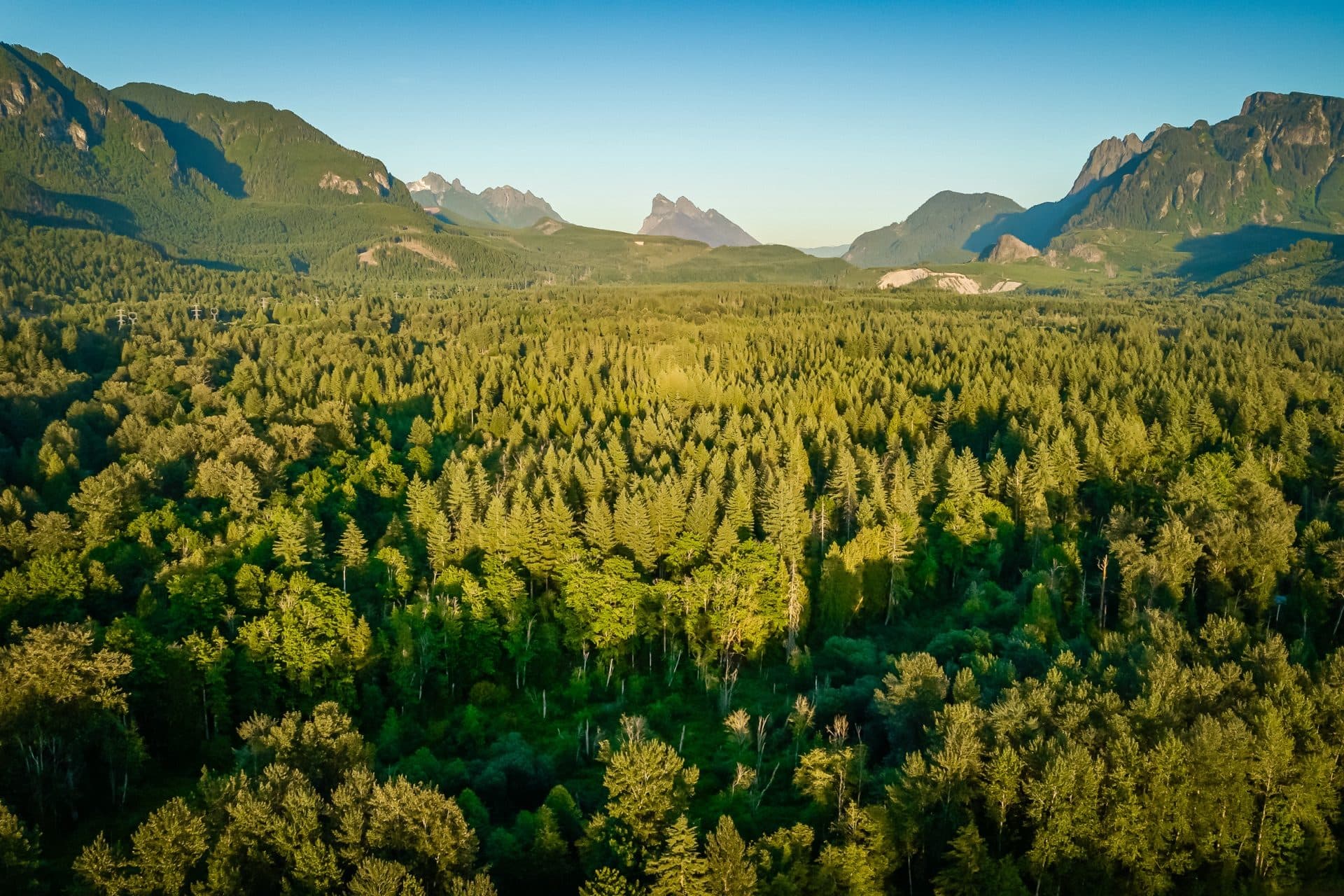
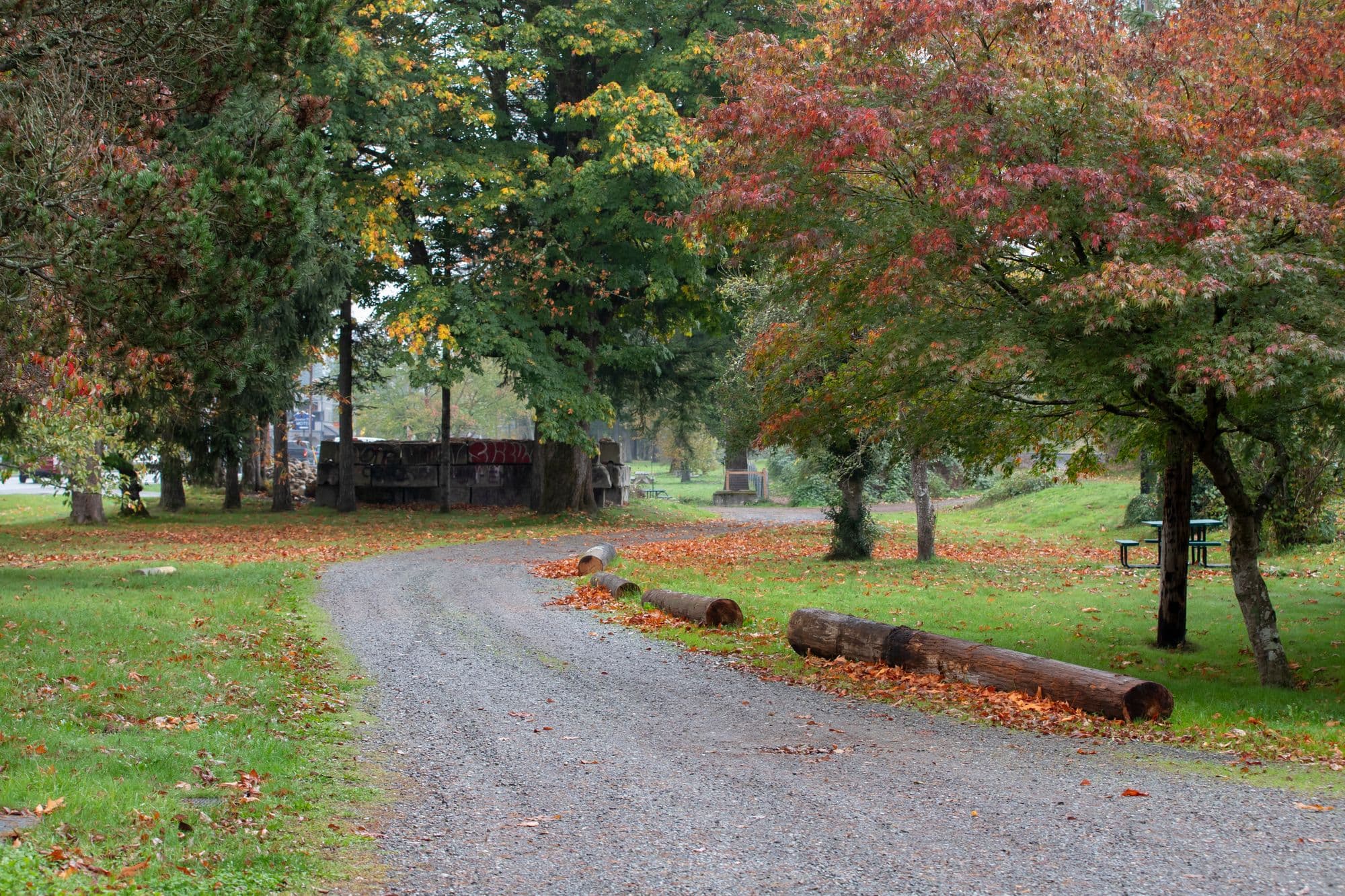
When someone tells me they're thinking about moving to Sultan, the first conversation usually isn't about a specific house. It's about the drive, the rivers, and whether a town of a few thousand people has enough of what they need day to day. Those are the right questions to start with, and the answers are more nuanced than most online relocation guides let on.
I live a few minutes up the road in Gold Bar, so Sultan is where I get gas, grab breakfast, and sit at the light on the way to work. What follows is my attempt to describe what living here is actually like — the parts people love, and the parts that are worth understanding before you sign anything.
Two Different Sultans: In Town and Out of Town
The first thing to understand is that a Sultan address doesn't tell you much on its own. The 98294 ZIP code covers the incorporated city — a little over three square miles at the confluence of the Skykomish, Sultan, and Wallace rivers — and a large swath of unincorporated Snohomish County around it. Those are two very different ways of living, and buyers sometimes don't realize which one they're looking at until they're well into a listing.
Inside city limits, you're on city water and sewer, lots are generally smaller, and most of the newer subdivisions are here. You pay for that convenience. The city's own new-resident letter lists a base monthly bill of about $212 for water, sewer, stormwater, and utility tax before you use more than the included water allowance, and garbage and recycling through Republic Services is mandatory and billed separately. That's a real line item when you're budgeting, and it surprises people coming from places where sewer is folded into property taxes.
Outside city limits, the picture flips. You're more likely to find an acre or five, a private well, and a septic system, with no monthly water or sewer bill but real maintenance responsibilities instead. If that's the direction you're leaning, it's worth reading up on well and septic systems before you start touring, because the condition of those systems matters as much as the condition of the house.
What this means for buyers
Decide early which Sultan you're shopping for. A buyer who wants a walkable street near the school and a buyer who wants a shop, a garden, and no neighbors in sight can both end up with a Sultan address, but they'll be looking at completely different inventory, financing considerations, and inspection checklists. If acreage is the goal, my page on land and rural property along the corridor is a good place to get oriented.
The Commute and Highway 2
Highway 2 is the spine of Sultan, and it carries something like 18,000 vehicles a day right through the middle of town. On a normal weekday, Everett is roughly half an hour west and Seattle is about an hour, sometimes a good deal more depending on how the trestle and I-5 are behaving. The tougher stretch is often the two-lane section between Sultan and Monroe, where a single slow vehicle or a fender bender can back things up quickly.
Weekends have their own rhythm. On winter and summer Sunday afternoons, traffic heading home from Stevens Pass can stack up through town, and locals learn to plan errands around it. If you're used to having a couple of alternate routes, it takes some adjustment — out here, Highway 2 is usually the only practical way through.
There is real work underway to improve it. In October 2026, WSDOT started a roughly 15-month project between Monroe and Gold Bar that includes a new roundabout near Old Owen Road just west of Sultan, along with new sidewalks, pedestrian crossings, and center-line rumble strips meant to cut down on head-on collisions. Expect overnight closures and a temporary signal while the bypass lane is built, plus a long-term closure where Fern Bluff Road meets the highway. Longer term, the city's preferred plan from its US 2 corridor study is a four-lane highway with roundabouts at the major intersections, but that's being built in phases as funding comes through, not all at once.
For transit, Community Transit runs bus service between Sultan and Everett Station, and there's a small park-and-ride in town. It isn't a fast commute, but it's an option some people use on their in-office days. I've written more about commuting from the Highway 2 corridor, and before any winter drive it's worth checking current road and pass conditions.
The Rivers and the Floodplain
The same rivers that make Sultan beautiful are the ones you need to understand before buying here. Three rivers meet at the edge of town, and parts of Sultan — including much of the area around downtown — sit in mapped flood hazard areas. The city has emergency sirens for high-water events, and longtime residents can tell you about the big floods without much prompting.
Snohomish County has been working on this at a larger scale through its Sky Valley Community Floodplain Solutions project, which covers about 2,550 acres of the Skykomish floodplain near Sultan and aims to reduce flood risk while restoring salmon habitat and protecting farmland. That's encouraging long-term context, but it doesn't change the flood map on an individual parcel.
In practical terms, I'd look up the FEMA flood map for any Sultan property before writing an offer, ask whether an elevation certificate exists, and get a flood insurance quote early. Two homes a few blocks apart can carry very different insurance costs and lender requirements. My guide to flood zones and flood insurance walks through how to read those designations and what they mean for your budget.
Schools
The Sultan School District serves Sultan and Gold Bar, with Sultan Elementary and Gold Bar Elementary, Sultan Middle School, Sultan Senior High, and an online option through Sultan Virtual Academy. It's a small district, which families describe as both a strength and a limitation — teachers tend to know students and their families, but there are fewer specialized programs than you'd find in a larger suburban district.
The district is also one of the largest employers in town, so school funding is a community topic here, not an abstract one. Local levy and bond measures have had a mixed track record, including a measure voters turned down in February 2024. If schools are a priority for your family, I'd look at the district's current budget and levy situation directly and visit in person rather than relying on a rating website.
Day-to-Day Life in Sultan
Sultan is a small town, and it functions like one. Main Street has a handful of local businesses, and the Sultan Bakery has been a breakfast stop for pass traffic for as long as most people can remember. For bigger shopping trips, most residents head to Monroe, about 15 minutes west, where the big-box stores, more grocery options, and medical offices are.
The city has been putting real effort into its downtown. In 2023 it partnered with the University of Washington's Storefront Studio to develop ideas for Main Street, the old feed building, and the nearby parks, and the 2024 comprehensive plan update plans for infill and middle housing aimed at a more walkable town center. Some of that is still on paper, but the direction is clear.
Where Sultan really stands out is how close everything outdoors is. Osprey Park sits along the Sultan River with forested trails, sports fields, and a dog park, and in early fall you can watch salmon returning to spawn. Wallace Falls State Park is just up the road in Gold Bar, and climbing at Index, mountain biking at Reiter Foothills, and skiing at Stevens Pass are all within easy reach. In July, the Sultan Shindig brings a parade, a street fair, and a logging show to downtown, and it's one of those events that reminds you this is still a timber town at heart. You can keep track of what's coming up on the local events calendar.
What Homes Look Like
Sultan's housing stock is a mix of older homes in and around downtown, newer subdivisions on the edges of town, and rural properties spread across the surrounding county land. In-town single-family homes have generally traded somewhere in the mid-$500s to mid-$600s, with new construction typically at the upper end of that range or above it. Acreage is harder to generalize because the land, the access, and the systems drive the price as much as the house does. For current numbers, the Sultan community page pulls live market data.
New construction has been a big part of Sultan's growth — the population has jumped from about 5,100 at the 2020 census to well over 6,000 in more recent estimates — and I covered the specific subdivisions and builders along the corridor in an earlier post. Older homes often offer bigger lots and more character for the money, but they're more likely to need updates, and in some cases they sit in the parts of town most affected by the floodplain.
What this means for buyers and sellers
For buyers, the tradeoff is usually between the predictability of a newer home in a subdivision and the space and character of an older home or rural property. Neither is the wrong choice, but the ongoing costs are different, and it's worth running the numbers honestly. My post on the real cost of owning acreage is a good reality check if you're leaning rural.
For sellers, new construction is your competition. A buyer comparing your 1970s home to a brand-new build down the road is going to notice the difference in finishes and systems, so pricing, presentation, and disclosing what's been updated matter more here than they might elsewhere. If you're weighing a sale, I've put together more on how I approach selling along the corridor.
Is Sultan the Right Fit?
Sultan isn't for everyone. If you need a short, predictable commute every day, or you want restaurants and shopping within walking distance, it may feel like a compromise. Highway 2 traffic and construction are real, and so is the floodplain. Those aren't reasons to rule Sultan out, but they're reasons to go in with your eyes open.
What Sultan offers in return is space, prices that are still well below most of the Puget Sound region, and a real small-town community surrounded by rivers and mountains. For a lot of people — especially those who work remotely or only commute a few days a week — that trade has been well worth it.
If you're thinking about a move to Sultan and want to talk through specific neighborhoods, properties, or questions about in-town versus rural living, feel free to reach out at josh@highway2realestate.com. I'm happy to help you think it through.
Josh White is a licensed real estate broker with Horizon Real Estate, specializing in homes, land, and rural properties along the Highway 2 corridor in Washington State.