
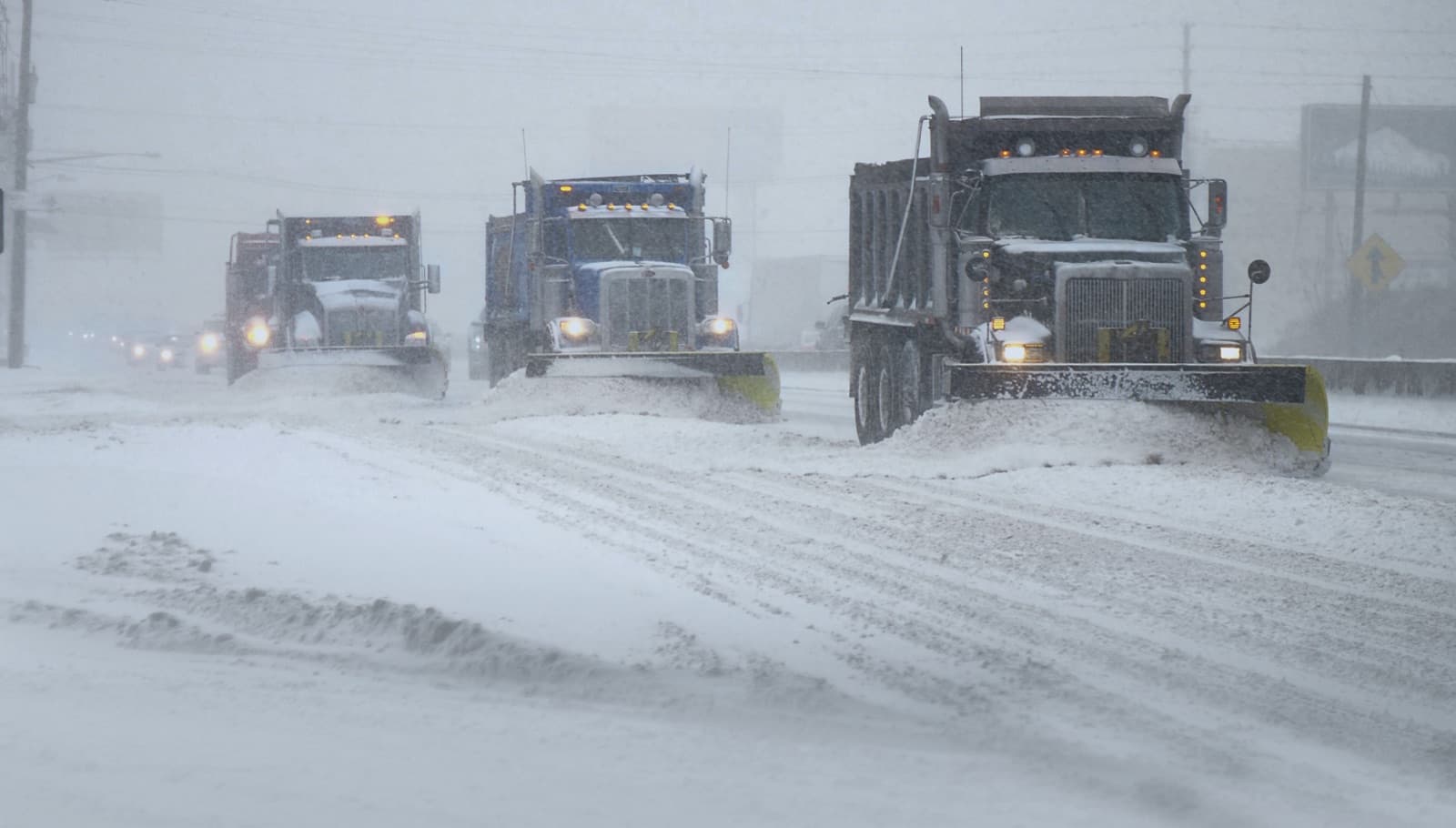
Most buyers first see properties along Highway 2 in spring or summer. The light is good, the driveways look fine, and it's easy to imagine yourself living there. Then I'll mention something about winter access, and they'll nod politely and change the subject back to the kitchen.
A few months later, if they bought something without thinking it through, I'll get a call. It usually starts with "okay, I see what you meant."
Winter out here is not a dealbreaker. Most properties along the corridor are completely manageable with the right setup and reasonable expectations. But it is a variable that separates a good purchase from one you'll quietly resent — and it has a more direct effect on resale value than most buyers realize going in.
How the corridor changes as you head east
The first thing worth understanding is how much the corridor changes as you head east. Sultan gets light snow that typically melts within a day or two. Gold Bar sees it more often and it sticks around longer. Index gets icy mornings regularly. Skykomish is real winter — multiple feet at times, and it doesn't apologize about it. Elevation, shade, and road exposure can shift things dramatically even within the same town. Two homes a mile apart can have genuinely different winters.
So when you're evaluating a property, "what's winter like here" isn't one question. It's specific to that road, that driveway, and that exposure.
Road maintenance: the biggest factor
The biggest factor — and the one with the most direct impact on value — is who maintains the road the property sits on. County-maintained roads get plowed. Not always immediately, not always perfectly, but they get done. Private roads are a completely different situation. You're depending on an HOA, a group of neighbors, or sometimes just one person with the right equipment and enough goodwill to show up. When it works, it works great. When it doesn't, you're looking at two or three days of being stuck after a storm. That's fine if you work remotely and treat it as forced downtime. It's less fine if you need to get to work, get kids to school, or have someone get to you in an emergency.
Buyers know this, even if they can't always articulate it. Homes with reliable county access consistently move faster and with stronger offers than otherwise comparable homes on private roads. The gap is real.
Driveway grade: the one that sneaks up on people
Driveway grade is the one that sneaks up on people most often. A steep driveway in July feels like nothing — a little character, maybe even charming. In January, that same driveway becomes the thing you're thinking about at 6am when it's icy and you have somewhere to be. I've watched buyers pass on homes they genuinely loved because they could picture themselves white-knuckling down an icy slope in the dark. That mental image translates directly into lower offers, or no offer at all.
Flat and boring is valuable. It's one of those things you only appreciate once you've lived without it.
Surface and sun exposure
Surface and sun exposure matter too, though they're usually easier to evaluate. Paved driveways handle winter better than gravel, and gravel handles it better than dirt or loose rock. South-facing roads clear faster after a storm; north-facing shaded stretches can stay icy for days after everything else has melted. I've seen one side of a street dry while the other is still a skating rink. It sounds like a minor detail until it's your daily commute.
What this means for price
In terms of what this actually does to price: when I'm comparing similar homes and one has easy paved access with county plowing versus one with a steep private road that depends on a neighbor's tractor, the difference in what buyers will pay tends to run $10,000 to $30,000. Sometimes more. Not because anything is wrong with the second house — just because buyers mentally price in the risk and the hassle, even if they'd never put it in those terms.
The inverse is also true. A property with genuinely good winter access — flat grade, maintained road, reasonable exposure — has a real edge in the market that doesn't always show up in the listing description but absolutely shows up in the offers.
What to do before you commit
If you're seriously evaluating a property out here, a few things are worth doing before you commit. Ask the neighbors directly — not the seller — how winters actually are, who handles plowing, and whether the road has ever been a problem. Neighbors will tell you the truth in a way a listing description won't. Look for sand bins, tire tracks, evidence that the road gets regular attention. Check which direction the driveway faces and whether it spends most of the day in shade. And honestly, just stand there for a minute and picture a dark morning in January. If it feels stressful in your imagination, pay attention to that.
Most of the time, a little local knowledge up front is all it takes to get it right. And when you do get it right — good access, good setup, reasonable expectations — you end up with everything that makes living out here worth it: quiet, space, mountains out the window, and a commute that's genuinely manageable.
That's the whole point of moving here in the first place.
If you ever want a second opinion on a specific property's access situation, I'm happy to give you the honest take. Sometimes five minutes of local perspective makes the decision a lot clearer.
Josh White is a real estate broker with Horizon Real Estate, specializing in homes, land, and rural properties along the Highway 2 corridor. josh@highway2realestate.com