
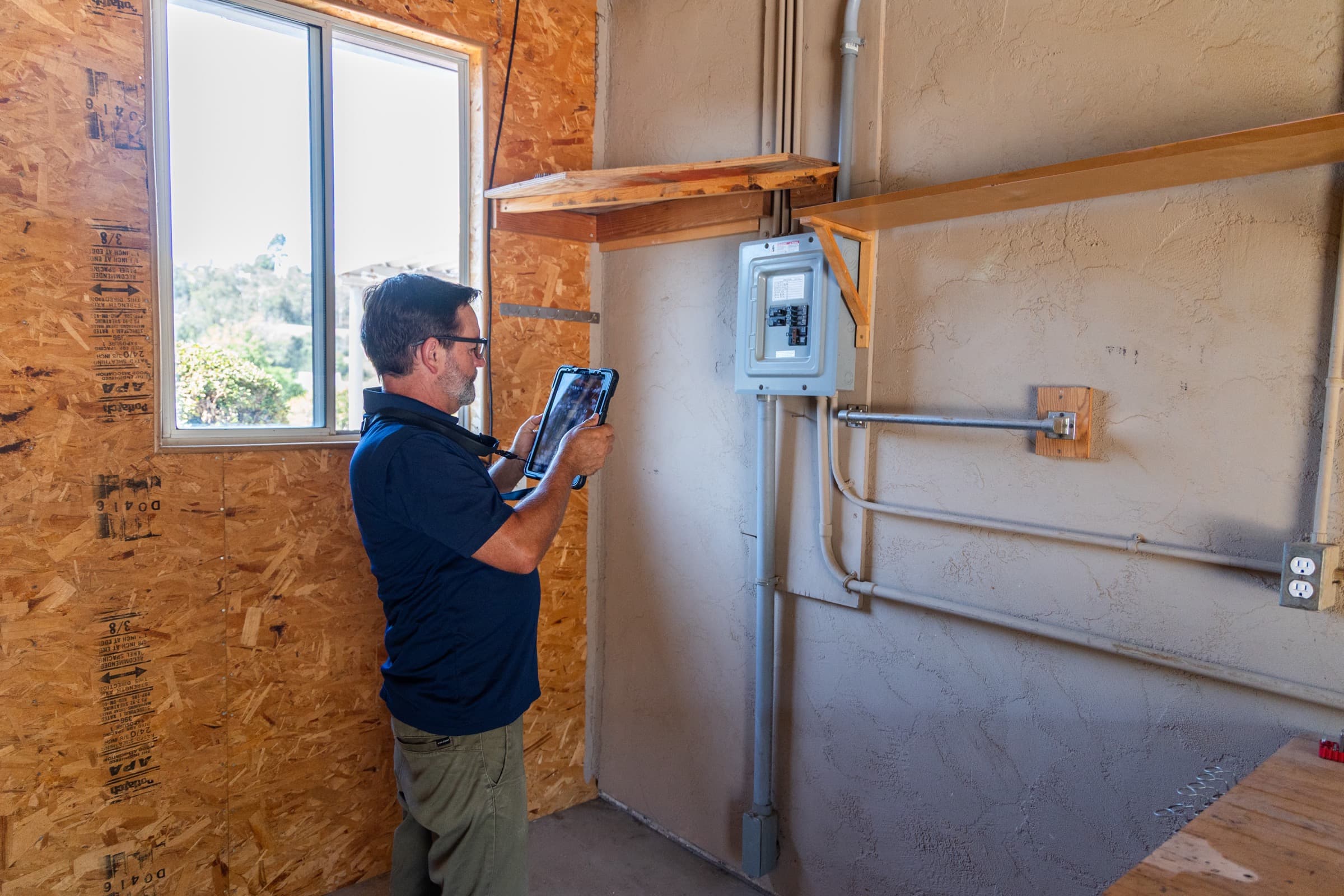
A standard home inspection on a house in town covers a fairly predictable list. Roof condition, furnace, water heater, electrical panel, maybe some old windows. It's important, but the scope is manageable and most buyers have a reasonable sense of what they're looking for.
Buy a rural or semi-rural property along Highway 2, and the inspection gets a lot more interesting. Now you're evaluating a septic system, a private well, drainage across an acre or more, a crawlspace that may not have been opened in years, and whatever the previous owner decided to wire in the shop himself sometime in the late eighties. It's less of a home inspection and more of a property inspection — and the gaps between those two things are where five-figure surprises tend to hide.
None of this should be scary. It's just a different set of things to pay attention to, and knowing what to look for before closing is infinitely better than discovering it after.
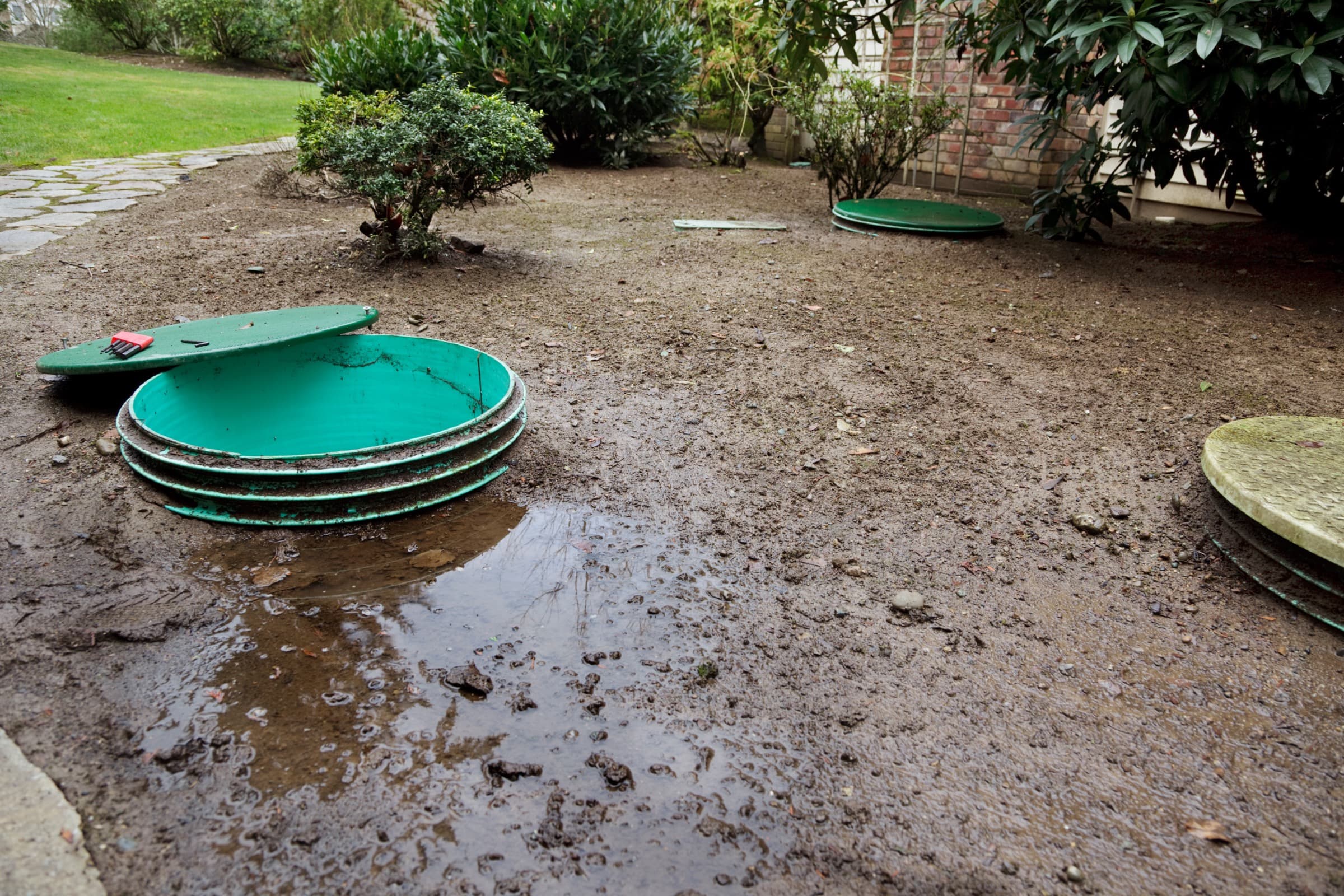
Septic systems are the one I slow buyers down for more than anything else. They're invisible when they're working and expensive when they're not, and a lot of buyers never think to ask much about them beyond whether they exist. What you actually want to know is how old the system is, whether there's any maintenance history, and when it was last pumped and inspected. Systems older than 25 to 30 years with no documentation are worth scrutinizing carefully. Signs of drain field problems — persistent soggy areas, a faint odor outside, unusually lush green grass over the septic area — are worth taking seriously. Replacement costs typically run $20,000 to $40,000 or more depending on soil conditions, and that's not a number you want to discover after you've already closed.
Always pump, scope, and inspect the septic before closing. It's a few hundred dollars and gives you real information about one of the most significant systems on the property.
Crawlspaces are where houses tell the truth. In the Pacific Northwest, moisture is a constant pressure, and crawlspaces bear the brunt of it. Puddles, wet or failing insulation, wood rot, mold smell, rusted ducting — these are all signs that water has been getting in somewhere and not getting out. Sometimes the fix is straightforward: improved drainage, a vapor barrier, better ventilation. Sometimes it's more involved. Either way, you want to know before you own the place, not after you've been living there for a winter.
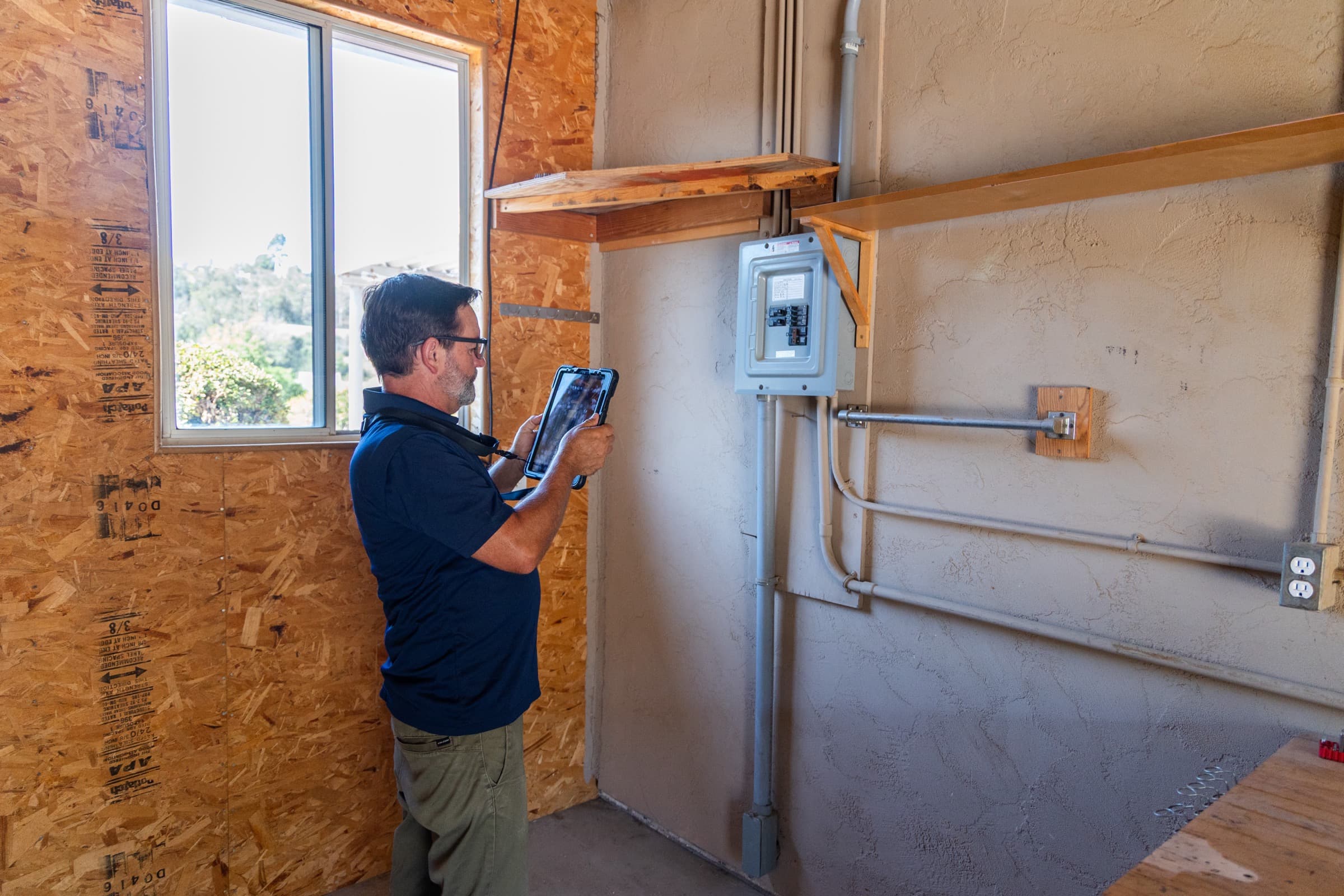
DIY electrical work in outbuildings is extremely common on rural properties, and it ranges from totally fine to genuinely alarming. Shops, barns, and detached garages often got wired by owners over the years with varying degrees of skill and permit-pulling. Extension cords used as permanent wiring, open junction boxes, unlabeled breakers, wiring that bypasses conduit — these are all things that can affect both safety and insurability. If anything in the outbuildings looks improvised, it's worth having an electrician take a look. It's usually not a big deal to evaluate and often not expensive to correct, but you want to know what you're inheriting.
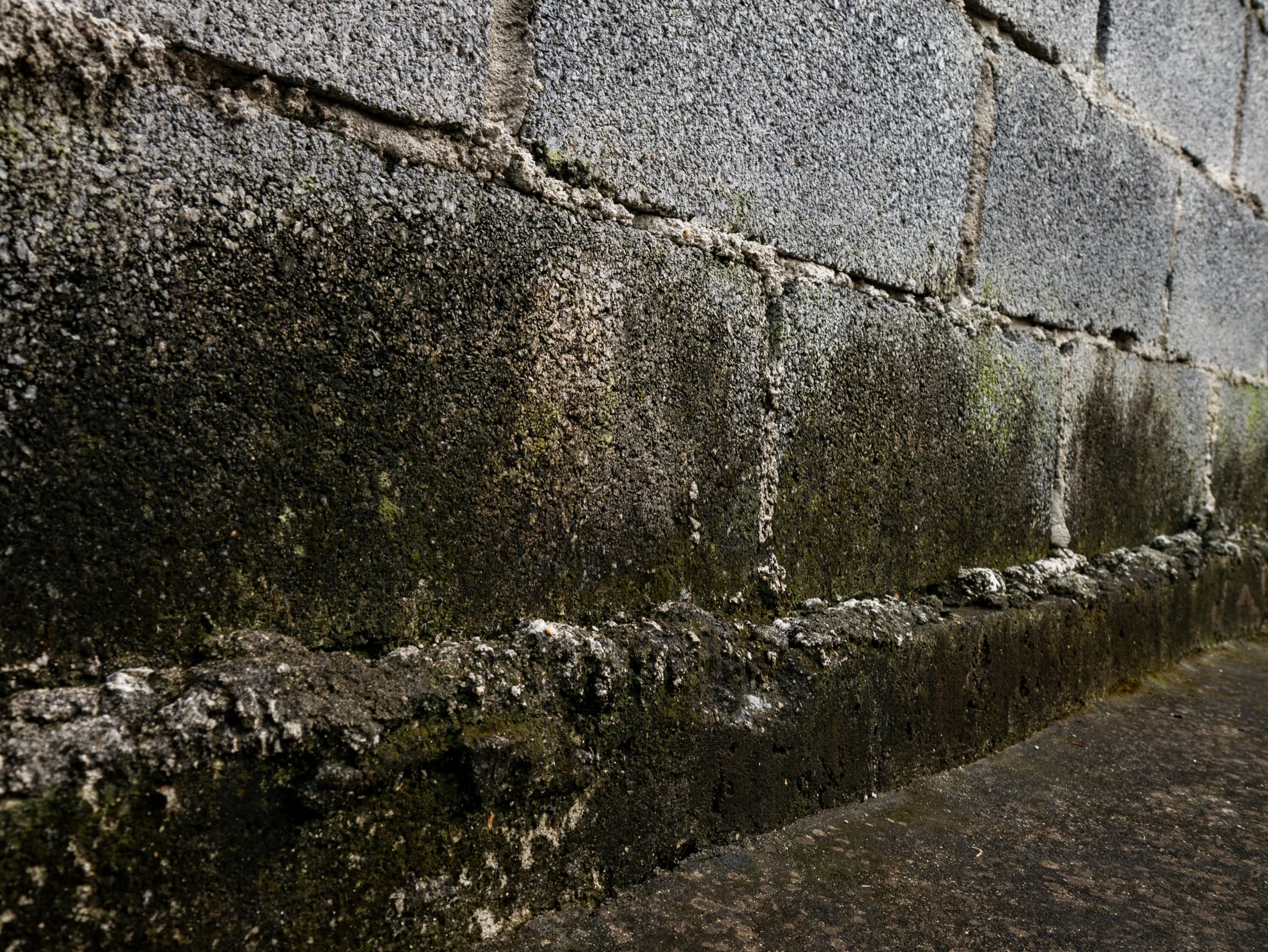
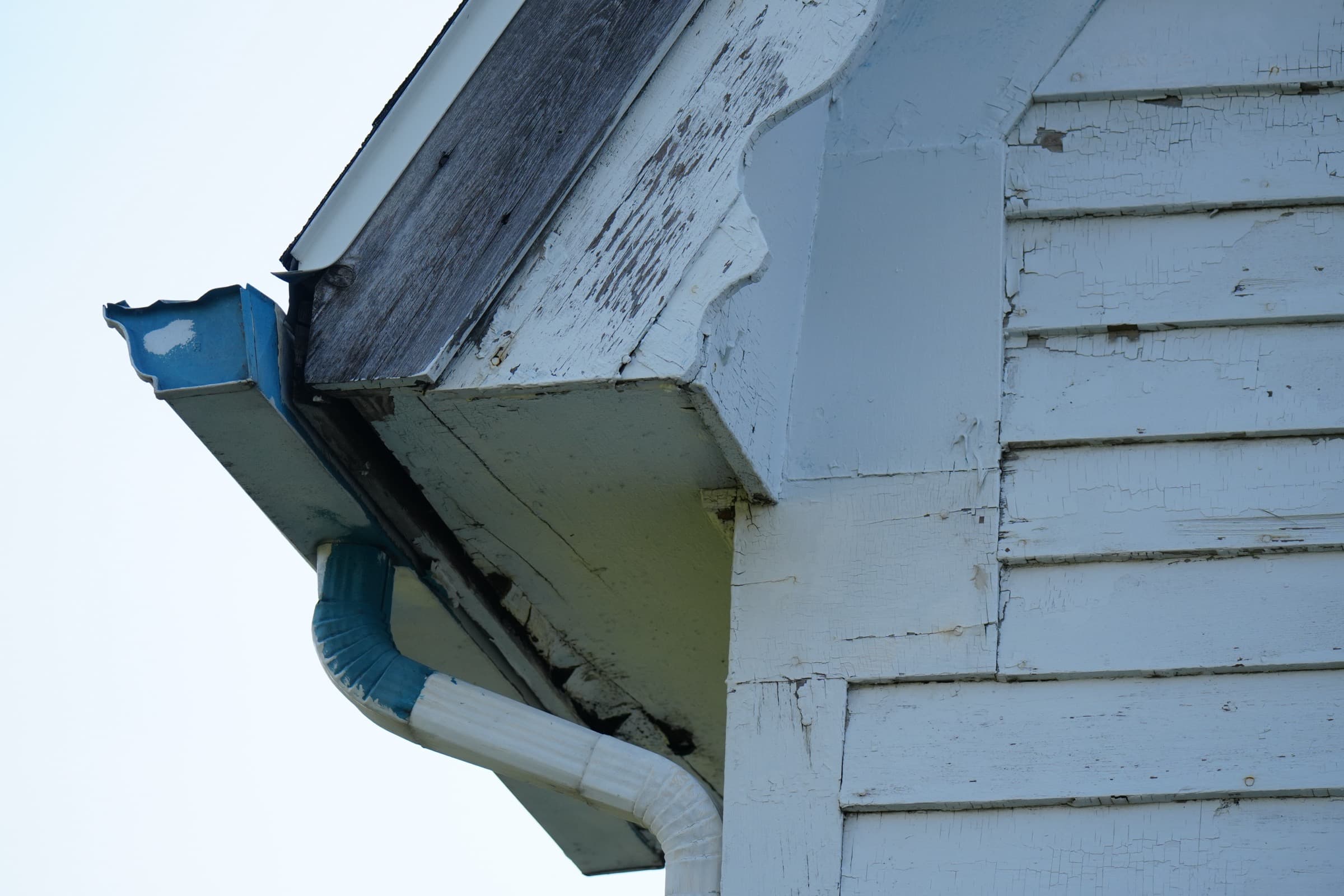
Drainage is one of the most overlooked issues on acreage properties, partly because it's slow and patient in the way it causes damage. Water doesn't ruin things quickly — it just quietly works on them over years. Look at how the land slopes relative to the foundation. Check for water staining on foundation walls, chronically muddy areas that never quite dry out, erosion patterns, clogged or missing gutters. Poor drainage eventually becomes crawlspace moisture, foundation cracks, and settling — all of which are easier and cheaper to address as negotiating points before closing than as repair projects after.
Wells deserve the same attention as septic systems, and they often get less of it because they're even more invisible. Before closing, you want to know the flow rate in gallons per minute — low flow is a real quality-of-life issue when multiple people are showering and doing laundry — and you want a water quality test that checks for the things common in this area: iron, sulfur, coliform bacteria, and pH. Find out how old the pump is and whether there's any documentation of past maintenance. If the property shares a well with a neighbor, understand what that agreement looks like and whether it's documented properly. Water testing is inexpensive. Finding out about problems after you move in is not.
Deferred maintenance is less a specific system and more of a pattern to recognize. When a property has a lot of small things that have been half-fixed, patched together, or left on the "I'll get to it" list indefinitely, there are usually larger things behind the scenes that got the same treatment. This isn't a dealbreaker — every property has a list — but the goal of an inspection is making sure that list is manageable rather than budget-breaking. A well-cared-for property tends to look well-cared-for in every corner you check. Consistent neglect tends to be consistent too.
The point of going into all of this isn't to make rural property feel like a minefield, because it isn't. Most issues are fixable, and most properties along the corridor are fundamentally sound — they just need someone paying attention at the right moment. Catching something during inspection means you can negotiate a repair, ask for a credit, or make an informed decision about whether to proceed. That's exactly what the process is for.
If you're thinking about buying rural property along the corridor and want to know what to prioritize before you start touring, my first-time buyer's guide covers the full checklist — financing, wells, septic, zoning, and more. Knowing what questions to ask before you fall in love with a place makes the whole process a lot less stressful.
Josh White is a real estate broker with Horizon Real Estate, specializing in homes, land, and rural properties along the Highway 2 corridor. josh@highway2realestate.com