
Most people shopping for a home think about square footage, lot size, and maybe the commute. Heating systems rarely make the short list — until the first winter bill shows up. Along the Highway 2 corridor, from Monroe out to Skykomish, the way a home is heated can vary dramatically from one property to the next, and the costs and maintenance involved deserve more attention than they usually get.
I see this in listings all the time. A beautiful cabin near Index might be running on propane and a wood stove. A newer subdivision home in Sultan might have an electric forced-air furnace. A mid-century ranch in Gold Bar might still be on baseboard heat. Each system works differently, costs differently, and creates a different set of considerations when you're buying — or trying to keep your current home comfortable through a wet, cold Cascade foothill winter.
Electric Baseboard Heat
If you spend any time looking at homes in Gold Bar, Skykomish, or the more rural pockets of the corridor, you're going to encounter electric baseboard heat. It was standard for decades in this part of Washington, and a lot of homes still run on it. The appeal was simplicity — no ductwork, no furnace to maintain, no fuel deliveries. Each room has its own thermostat, which in theory lets you heat only the rooms you're using.
The downside is cost. Baseboard heaters convert electricity directly into heat, which is straightforward but not efficient compared to modern alternatives. Snohomish County PUD's residential rate is currently around 10.3 cents per kilowatt-hour, and it's going up to about 10.6 cents in April 2026. That's still relatively affordable compared to many parts of the country, but in a poorly insulated older home running baseboard heat through a full winter, the bills add up fast. I've talked to homeowners in Gold Bar and Index who see winter electric bills north of $300 a month, and in some older, larger homes, significantly more.
If you're buying a home with baseboard heat, pay attention to insulation. Many of these homes were built before modern energy codes, and the difference between a well-insulated baseboard-heated home and a drafty one is enormous. Upgrading insulation and sealing air leaks can cut heating costs substantially without replacing the entire system. SnoPUD offers rebates on insulation and duct sealing for electrically heated homes, which is worth looking into.
Propane
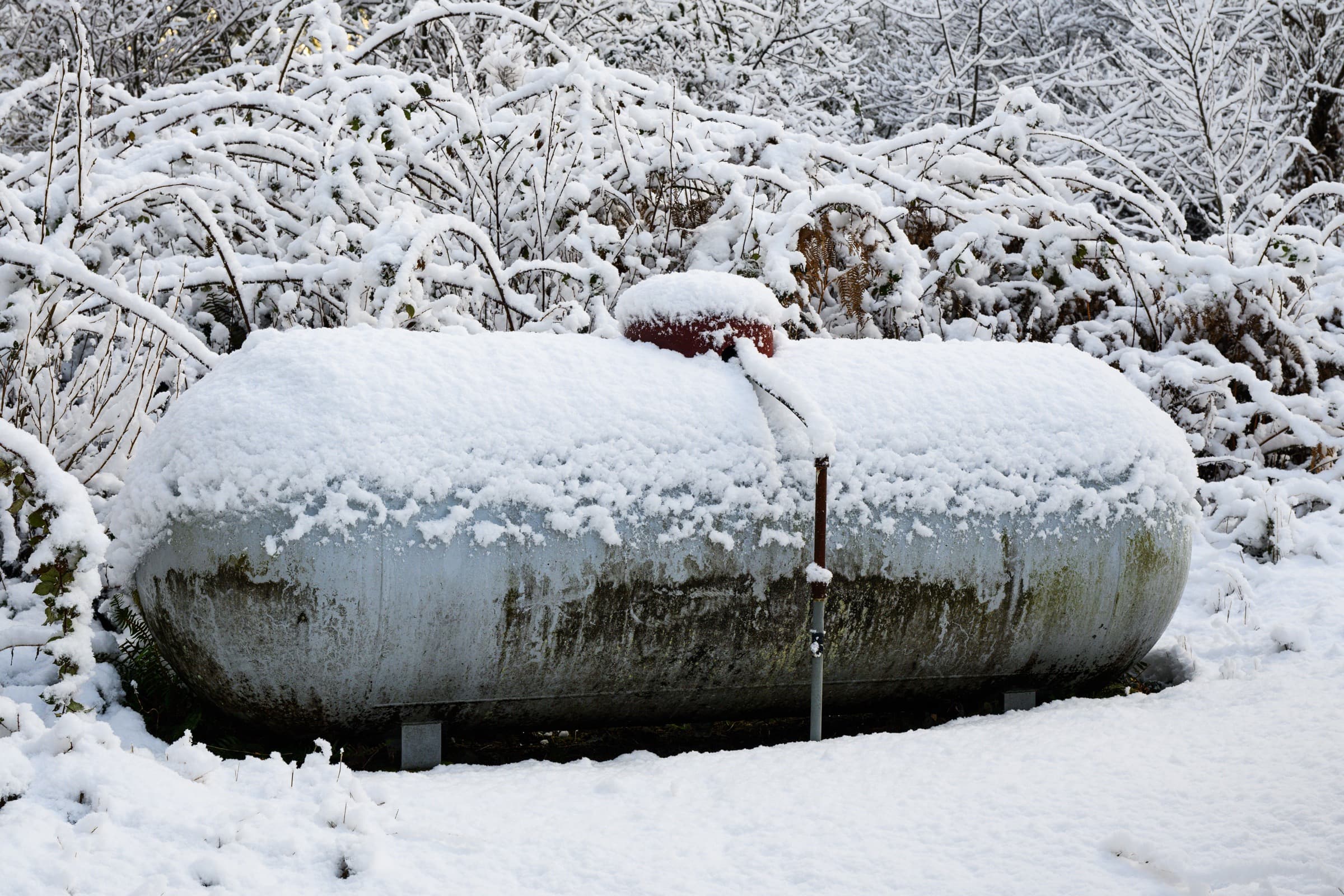
Propane is common once you get past Sultan heading east, especially on rural acreage and properties that aren't served by natural gas. A propane furnace or propane fireplace insert can be an effective heating solution, but you're tied to a delivery schedule and fluctuating fuel prices. In Washington, propane has been running somewhere in the range of $2.90 to $3.40 per gallon recently, though prices vary by provider and delivery frequency. Northwest Propane is one of the local outfits that delivers along the corridor — they serve Monroe, Sultan, Startup, and Gold Bar.
If you're buying a property with propane heat, check the tank situation carefully. Is the tank owned or leased? Leased tanks come with a contract and sometimes restrictions on which company can fill them. How old is the tank, and when was it last inspected? Where is it located relative to the house and any planned improvements? These aren't exciting questions, but they matter.
One thing that catches some buyers off guard is how propane interacts with everything else in the home. A property that runs on propane might use it for the furnace, the water heater, the stove, and maybe a fireplace or two. That means your heating fuel is also your cooking fuel and your hot water fuel, and a single extended cold snap can burn through a tank faster than you expect.
Wood Stoves and Fireplace Inserts
This is the corridor, so wood heat is part of the landscape. A lot of homes out here have a wood stove or fireplace insert, either as a primary heat source or as a supplement. There's something appealing about it — the warmth is different from forced air, the fuel is local and renewable, and during a power outage (which happens along Highway 2 more often than most people realize), a wood stove keeps working when everything else shuts down.
But wood heat comes with responsibilities. Washington State requires that any wood-burning device sold or installed must be certified to meet state emission standards, which are stricter than federal EPA standards. If you're buying a home with an older stove, check the certification. Uncertified stoves — generally anything manufactured before 1990 without a certification label — produce significantly more particulate pollution and deposit more creosote in the chimney. Selling or giving away an uncertified stove is illegal in Washington, though owning and using one in your home is still permitted.
Even with a certified stove, you need to be aware of burn bans. The Northwest Clean Air Agency and the Puget Sound Clean Air Agency can call burn bans during periods of poor air quality, typically in winter when cold, still air traps pollution. A Stage 1 ban prohibits use of uncertified stoves and fireplaces. A Stage 2 ban shuts down all wood burning, including certified devices. The exemption is if wood is your only source of heat — you can keep burning during a ban if there's no other way to stay warm. But relying solely on wood heat has its own drawbacks. You're dependent on a steady supply of dry firewood, you need to keep the chimney maintained, and if the stove breaks down or you run out of wood during a cold stretch, there's nothing else to fall back on. Having a secondary heat source gives you more flexibility all around.
For folks who love the idea of wood heat but want something cleaner and easier to manage, pellet stoves are worth a look. They burn compressed wood pellets, produce far fewer emissions than traditional wood stoves, and many models can be thermostatically controlled. The tradeoff is that they require electricity to run the auger and fan, so they don't help much during a power outage unless you have a backup power source.
Heat Pumps
If there's a heating technology that's having a moment in the Pacific Northwest, it's the heat pump. Air-source heat pumps work by moving heat rather than generating it, which makes them dramatically more efficient than baseboard heaters or even gas furnaces in moderate climates. Modern units work effectively down to surprisingly low temperatures — well into the teens — and they double as air conditioning in the summer, which is increasingly relevant given the hot stretches we've been seeing in recent years.
SnoPUD has been offering rebates on heat pump installations for electrically heated homes — up to $1,800 for a standard ducted conversion and up to $2,500 for an inverter-driven system. Ductless mini-splits, which don't require existing ductwork, are another popular option, especially in older homes or cabins where running ducts isn't practical.
The incentive landscape has shifted recently, though. The federal 25C tax credit that covered up to $2,000 for qualifying heat pump installations expired at the end of 2025. That's a significant change for anyone who was counting on stacking federal and utility incentives. State-level rebate programs funded by the Inflation Reduction Act — specifically the Home Electrification and Appliance Rebates program — may still offer substantial savings depending on household income, but those programs are administered at the state level and availability varies. It's worth checking with a contractor or the Washington State Department of Commerce for the most current information.
For buyers, a home that already has a heat pump is a real asset. It generally means lower operating costs, year-round climate control, and a system that's been designed with efficiency in mind. For current homeowners still running baseboard heat or an aging propane furnace, upgrading to a heat pump is one of the most impactful improvements you can make — both for comfort and for the home's resale value.
What Buyers Should Ask
When you're touring homes along the corridor, heating is one of those topics that's easy to overlook in the excitement of the views and the property and the setting. But I'd encourage buyers to ask a few specific questions early in the process.
What's the primary heating system, and how old is it? What's the average winter utility bill? If it's propane, what did the homeowner spend on fuel last year? Is there a wood stove, and if so, is it certified? Has the home been insulated or weatherized recently? Are there any rebate-eligible upgrades that haven't been done yet? And for rural properties, don't forget to ask about well and septic systems — they're part of the same due diligence picture, and maintenance costs on those systems factor into your overall cost of ownership just like heating does.
These questions don't just protect you from surprises — they can also reveal opportunities. A home priced competitively because it's on baseboard heat might be a great candidate for a heat pump conversion that pays for itself in utility savings within a few years. A property with a brand-new high-efficiency propane system might be a better value than one that looks cheaper on paper but needs a full heating overhaul.
Keeping Costs Down
Regardless of what system your home runs on, there are some universal strategies for keeping heating costs manageable along the corridor. Good insulation matters more than almost anything else — it doesn't matter how efficient your furnace is if the heat is leaking out through the attic and the crawlspace. Window upgrades can help too. SnoPUD offers rebates on window replacements for electrically heated homes, with $100 back per window when replacing single-pane and $50 per window when replacing older double-pane units.
Programmable or smart thermostats are a small investment with a real impact, especially if you're commuting to the west side and the house is empty during the day. Closing off unused rooms (where the system allows it) and keeping up with filter changes and annual maintenance all contribute to lower bills and longer equipment life.
And don't overlook weatherization assistance programs if you qualify. Snohomish County offers a free weatherization program for income-eligible homeowners and renters that can include insulation, air sealing, and even heating system repairs. It's funded, it's available, and it makes a real difference for families dealing with high heating costs.
It's Worth Understanding Before You Buy
Heating isn't the flashiest topic in real estate, but along the Highway 2 corridor, it's one of the more practical ones. The difference between a well-heated home and a poorly heated one shows up every month on the utility bill and every cold morning when you walk out of bed. Whether you're buying your first home in Sultan, looking at acreage in Gold Bar, or considering a cabin near Skykomish, take the time to understand how the home stays warm — along with other details that matter long after closing day, like flood zone designations and access considerations.
If you have questions about a specific property or want to talk through what to look for, feel free to reach out at josh@highway2realestate.com.
Josh White is a licensed real estate broker with Horizon Real Estate, specializing in homes, land, and rural properties along the Highway 2 corridor in Washington State.